 FR

Lithium-ion batteries, coin cells, power cells: the mass electrification of industry is presenting battery manufacturers with a major challenge. How can they guarantee that every cell is free from internal defects that could cause a short circuit, overheating or premature failure? Industrial X-ray tomography provides a non-destructive answer, by making the invisible visible inside every battery.
The challenge: invisible defects with critical consequences
A manufacturer of electrochemical cells notices abnormal failure rates on certain batches of coin cells. Field returns report premature capacity loss and, in rare cases, swelling. End-of-line electrical tests do not detect the problem — the cells pass all functional tests before shipping.
The hypothesis: internal structural defects — porosities in the electrodes, winding defects, displacement of the separator, ingress of impurities — compromise durability without affecting initial performance. The inside of the cells has to be seen without opening them, because any opening destroys the chemical environment and makes the analysis worthless.
The method: tomographic scan and layer-by-layer volumetric analysis
The INSIDIX laboratory carries out a high-resolution X-ray tomography scan of each suspect sample. The scan generates a complete 3D volume of the cell, in which every layer — anode, cathode, separator, current collectors, casing — can be individually identified and measured.
The analysis protocol has three stages. First, acquisition: a complete tomographic scan of the cell with sufficient resolution to detect defects of a few micrometres. Then, reconstruction and navigation: the 3D volume is explored in virtual sections in all three planes to identify anomalies. Finally, quantification: each defect found is measured, located and documented in the analysis report.
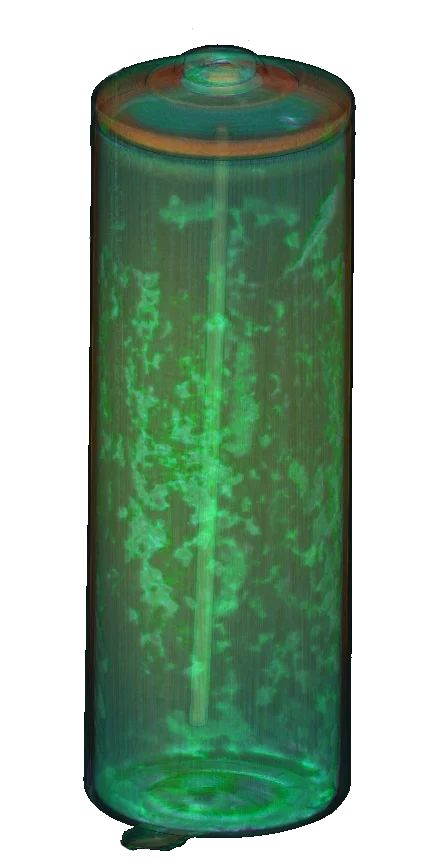
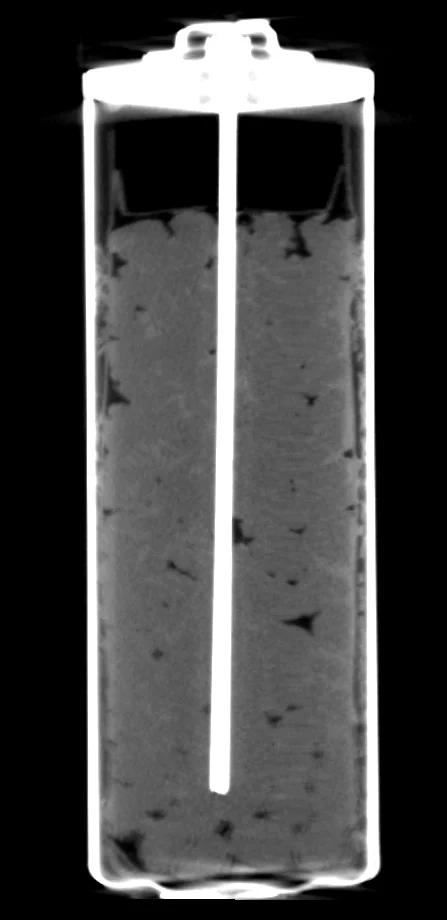
The results: precise identification of structural anomalies
Tomographic analysis of the suspect cells reveals several types of anomalies that are invisible from the outside: winding irregularities leading to areas of insufficient contact between electrodes, localised porosities in the electrode material reducing the active surface, and variations in separator thickness creating potential weak points.
The comparison between conforming and failed cells is particularly revealing. On the healthy samples, the winding is regular, the separator is of constant thickness, and the layers are perfectly concentric. On the failed samples, the structural irregularities are clearly visible and correlate directly with the areas of electrochemical degradation.
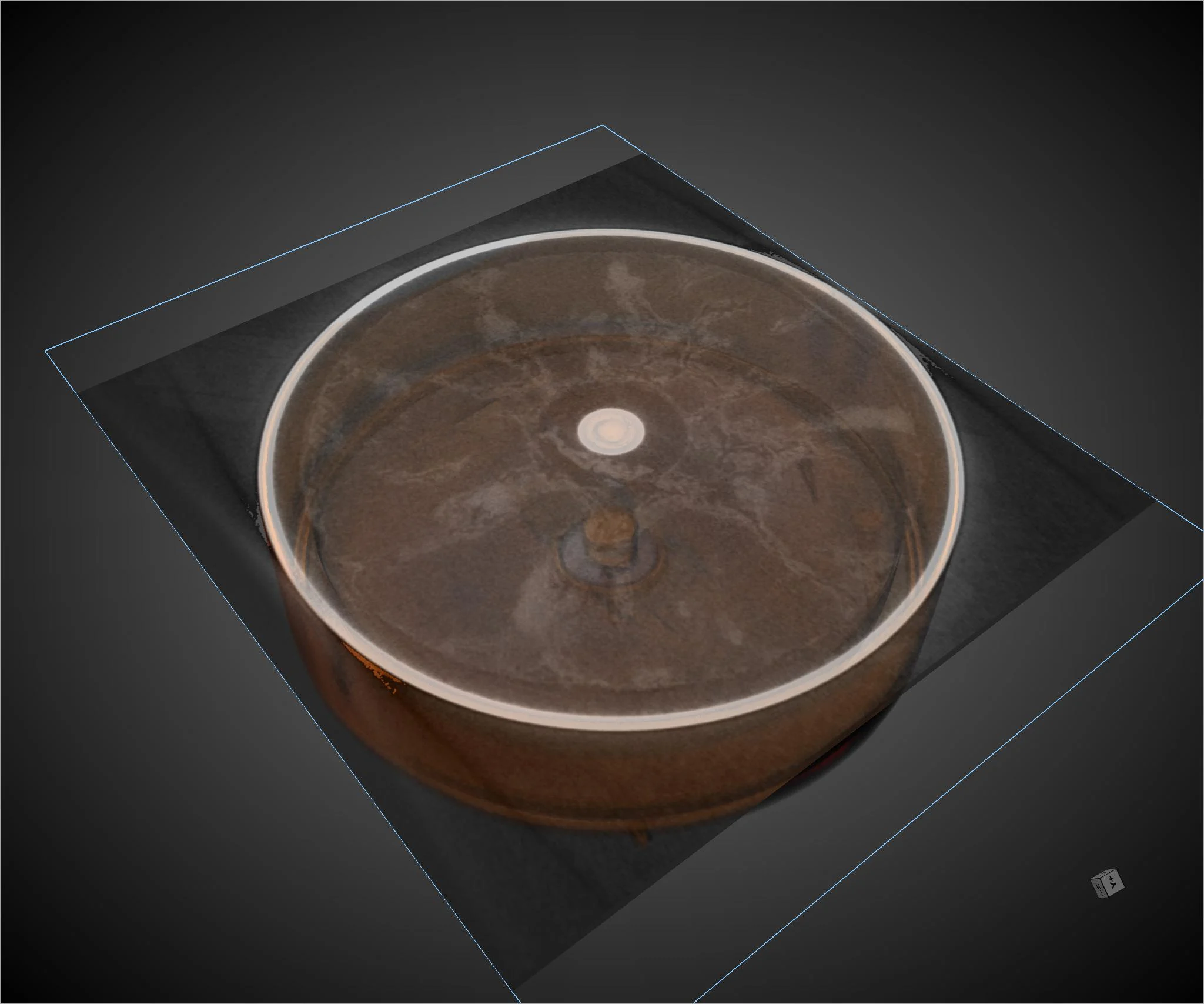
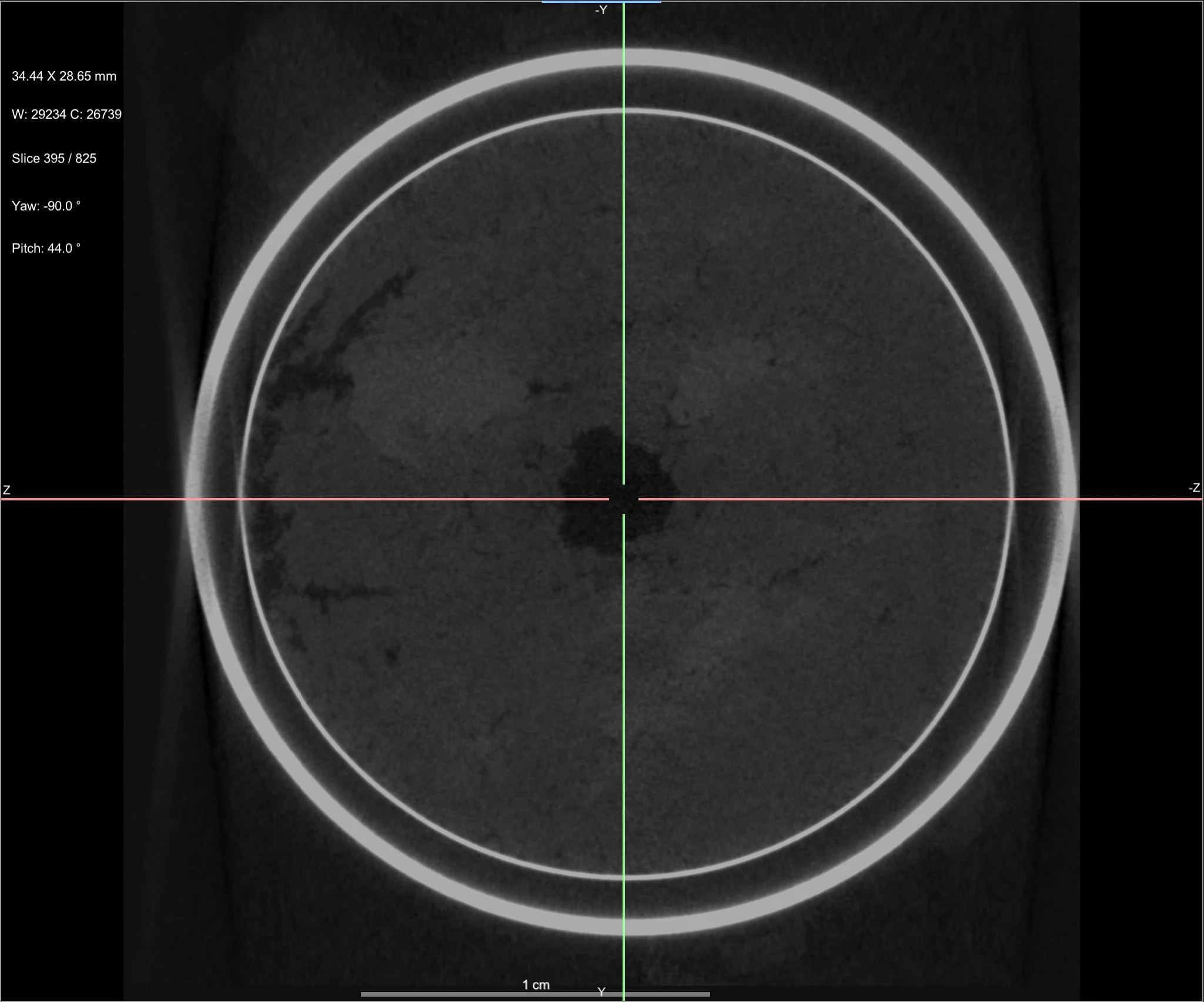
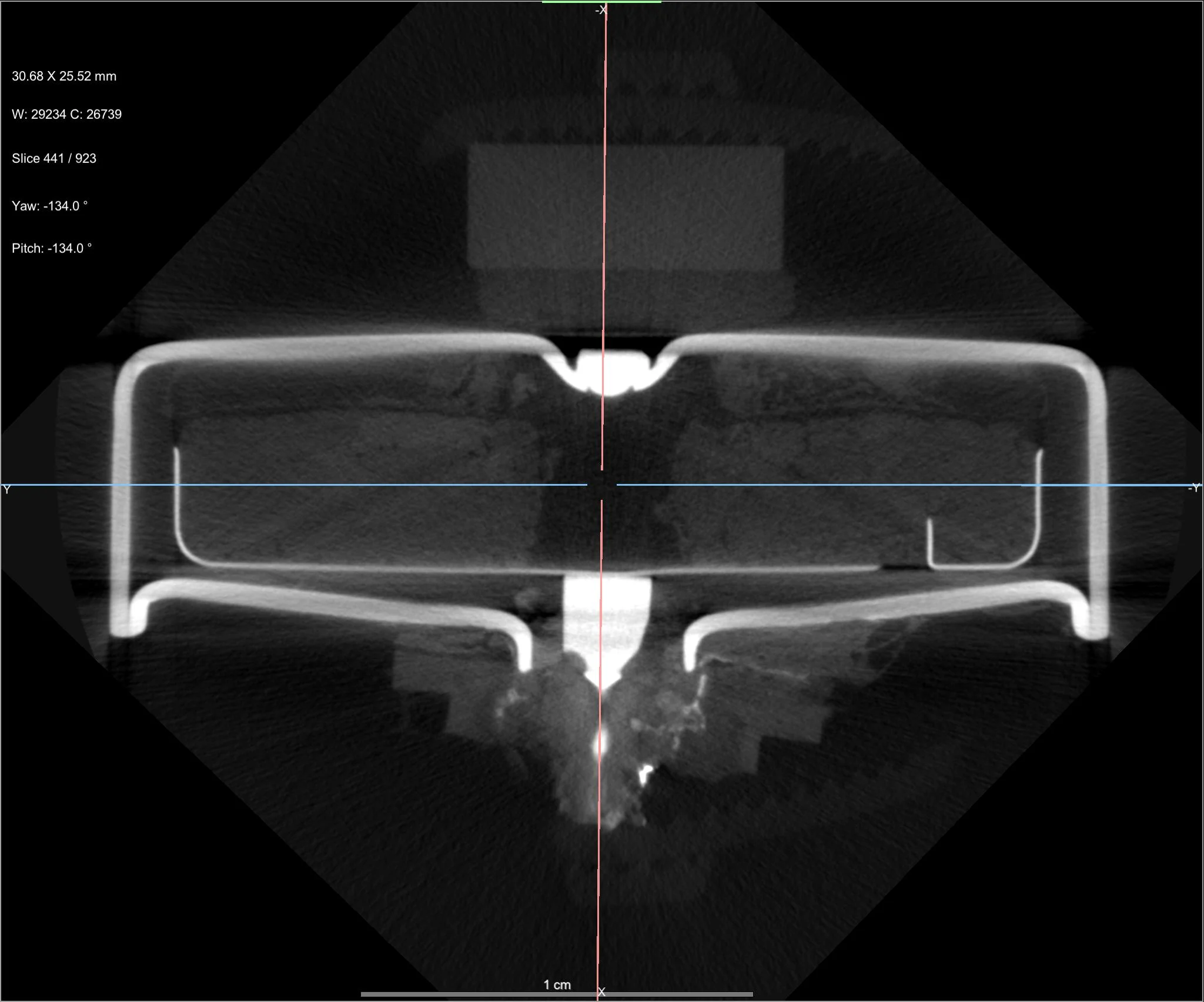
Different viewing angles of the coin cells — tomography makes it possible to compare batch by batch and identify manufacturing drift.
The INSIDIX advantage: a laboratory equipped for the challenges of energy
The energy sector imposes specific constraints: high-contrast materials (heavy metals, thin layers), complex cylindrical geometries, and large sample volumes during qualification campaigns. The INSIDIX fleet of tomographs, including high-resolution Nikon systems, makes it possible to adapt to all cell sizes — from coin cells of a few millimetres to automotive battery modules.
Certified ISO 9001 and holding CIR (French Research Tax Credit) approval, the laboratory provides analysis reports that quality and R&D teams can use directly. The results feed qualification processes, field failure investigations and decisions to accept or reject batches — with the traceability and documentary rigour required by industry.
Need to inspect your batteries or cells?
Whether for qualification of a new design, a field failure investigation or batch quality control, our experts are available to define the analysis protocol suited to your cells.